
Support our G6PD Deficiency Awareness Campaign

Family Health History: Could You Have Inherited G6PD Deficiency?
Families share more than traditions, stories, and physical features. They may also share genetic traits that affect their health. Knowing which medical conditions appear among parents, grandparents, siblings, aunts, uncles, and cousins can provide valuable clues about...

Children’s Health Month: Managing G6PD From Newborn Screening to School Age
Learning that a baby or child has G6PD deficiency can leave parents with many questions. What does the diagnosis mean? Will the child experience symptoms? Which foods or medications should be avoided? How should teachers, caregivers, and healthcare providers be...

Perinatal Health and G6PD Deficiency: Why Testing Before Birth Matters
Learn how perinatal health, family history, G6PD testing, and newborn screening can help families prepare before and after birth.
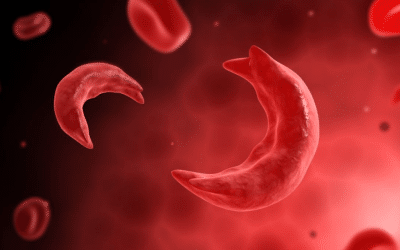
G6PD and Sickle Cell Disease: Understanding the Connection
September is National Sickle Cell Awareness Month, making it an important time to increase understanding of sickle cell disease and the health conditions that may be connected with it. Awareness is about more than recognizing a diagnosis. It is also about helping...

Why a Calico Cat Explains G6PD Deficiency in Women: Understanding X-Inactivation
X-inactivation explains why some women with G6PD deficiency have symptoms as severe as men. Learn how this biological process works and what it means for you.
What Is Acute Hemolytic Anemia? Understanding G6PD Deficiency Episodes, Triggers, and What to Do
For most people, a diagnosis of G6PD deficiency comes with a lot of questions. What does it mean? Will it affect daily life? What happens if something goes wrong? One of the most important things to understand early on is the connection between G6PD deficiency and...
Take our survey
We need to hear from those who are diagnosed with G6PD deficiency. Your participation will help prioritize the efforts of the Foundation. Thank you.