
If you or someone in your family has been diagnosed with G6PD deficiency, one of the first and most important things to understand is that the condition itself is manageable. Living with G6PD deficiency is not a death sentence, as our own dietitian puts it. But living well with it does require knowing which foods, medications, and everyday products can act as triggers and making intentional choices to avoid them.
G6PD deficiency is a hereditary enzyme disorder, the most common inherited enzyme deficiency in the world. The enzyme, glucose-6-phosphate dehydrogenase, plays a critical role in protecting red blood cells from oxidative stress. When the body does not have enough of it, certain exposures can cause those red blood cells to break down faster than the body can replace them, a process called hemolysis. The result is a condition known as acute hemolytic anemia, and it can come on quickly when a trigger is encountered.
Understanding the known G6PD deficiency foods to avoid, alongside medications and environmental exposures, is one of the most concrete and empowering steps anyone with this condition can take.
Why Triggers Matter and What They Do
Before getting into the specific list of G6PD deficiency foods to avoid, it helps to understand what is actually happening in the body when a trigger is encountered. Any stimuli that cause oxidative stress can potentially bring on an attack of acute hemolytic anemia in someone who is G6PD deficient. The level of risk varies from person to person depending on the specific G6PD variant they carry, and triggers that cause a serious reaction in one person may not affect another in the same way.
Symptoms of acute hemolytic anemia are usually characterized by malaise, fatigue, or weakness, followed by abdominal or back pain. After a day or so, jaundice and dark urine can appear as the anemia develops. These are signs that red blood cells are being destroyed faster than the body can manage. If these symptoms appear after a known exposure, it is important to seek medical attention promptly rather than waiting to see if things resolve on their own.
Knowing the G6PD deficiency foods to avoid and being aware of medication and environmental triggers is the best defense against finding yourself in that situation in the first place. The goal is not fear but awareness, and awareness, as we always say, is the difference that matters.
Foods to Avoid with G6PD Deficiency
Fava Beans and Legumes
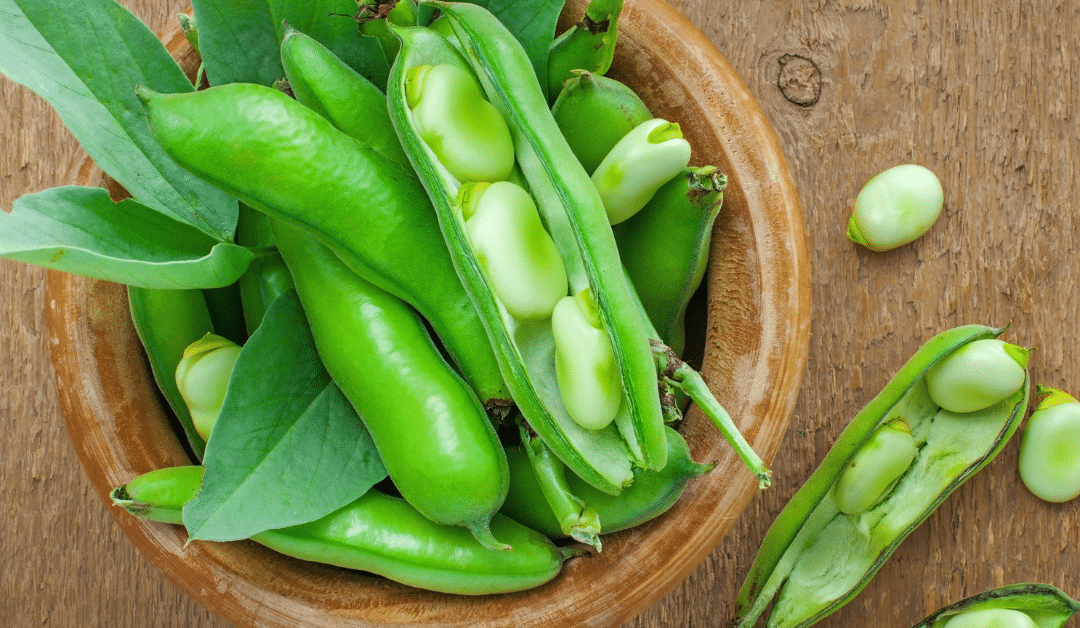
Fava beans are the most well-known dietary trigger for G6PD deficiency, and for good reason. The fava bean, also known by many other names including broad bean, Windsor bean, horse bean, bell bean, English dwarf bean, fever bean, haba bean, tick bean, pigeon bean, and silkworm bean, contains a compound called vicine, which is believed to be the hemolytic agent responsible for triggering red blood cell breakdown.
But fava beans are far from the only legume worth watching. Soy, peanuts, peas, and fenugreek have all been noted as possible triggers in people with G6PD deficiency. This is an important detail because legumes show up in an enormous range of products, not just whole foods. Soy, in particular, is present in a huge number of packaged and processed food items, often listed in ingredient labels under names that are easy to miss.
Bitter gourd, also known as bitter melon, is another food worth flagging. Like fava beans, bitter melon contains vicine, the same compound believed to be responsible for triggering hemolysis. This matters particularly for individuals from communities where bitter melon is a common part of traditional cooking.
Artificial Food Dyes
Artificial food dyes found in processed foods are listed as a known G6PD deficiency foods to avoid trigger. This category is one of the easiest to overlook because dyes are not a food in the traditional sense. They are hidden in candies, beverages, packaged snacks, cereals, condiments, and many other everyday products. Reading ingredient labels carefully is one of the simplest and most effective habits anyone with G6PD deficiency can build.
Medications to Discuss with Your Doctor
Dietary choices are only part of the picture when it comes to managing G6PD deficiency. Certain medications carry a significant risk of triggering hemolysis, and some of them are common enough that they are reached for without a second thought. This is exactly why it is so important to tell every doctor, dentist, and pharmacist about a G6PD deficiency diagnosis before starting any new treatment.
The following medications are on the list of reported unsafe substances for people with G6PD deficiency:
- Malaria prevention drugs, including primaquine, chloroquine, and hydroxychloroquine
- Sulfa drugs, including sulfonamides and sulfones such as dapsone, which is also used in some acne medications
- Urinary infection drugs, including phenazopyridine, nitrofurantoin, nalidixic acid, and sulfamethoxazole
- Over-the-counter salicylate medications, including aspirin and the many products that contain it, such as Anacin, Bufferin, Ecotrin, Empirin, Excedrin, Kaopectate, and Pepto Bismol. It is especially important to avoid aspirin-containing medicines when sick with a higher than normal fever
- Methylthioninium chloride, also known as methylene blue, which is sometimes used as a treatment for methemoglobinemia
- Elitek (rasburicase), a detoxifying agent sometimes used in chemotherapy treatment
This list is not exhaustive. Research into G6PD triggers is ongoing, and the list of known unsafe medications continues to be updated as more is learned. Discussing this with a healthcare provider before any new prescription or procedure is always the right move.
Environmental and Household Triggers
G6PD deficiency foods to avoid is the most commonly searched topic related to managing the condition, but dietary choices are only one part of the picture. Several non-food substances are also known triggers, and they show up in settings most people would never think to question.
Naphthalene, the chemical compound found in mothballs, is on the list of reported unsafe substances. This matters in practical terms because mothballs are used in closets, storage bins, and seasonal clothing storage throughout the year. Simply being in an enclosed space where naphthalene is present can result in exposure, even without direct contact.
Camphor and mentholated products are also flagged as potential triggers. These show up in a range of common items, including muscle rubs, some bug bite relief sticks, certain cold and flu remedies, and cooling lotions. Checking ingredient labels on these products before reaching for them is worth the extra step.
Henna dyes, both for hair and for tattoos, are listed as a known trigger as well. Henna is commonly used in cultural traditions and is widely available at tourist destinations and seasonal markets. For families managing G6PD deficiency, especially those with young children who may encounter henna at events or on vacation, this is an important detail to be aware of ahead of time.
Additional chemicals that have been identified as unsafe include beta-naphthol or 2-naphthol, which is found in some Sudan dyes used for coloring fabrics and Asian spices, naphtylhydroxylamine found in some household drain, oven, and bathroom cleaners, and blue contrast dyes and toluidine dyes sometimes used in dental, oral, and thyroid cancer screening procedures. These are worth flagging when discussing upcoming medical procedures with a provider.
The Role of Illness
One trigger that often gets overlooked in discussions about G6PD deficiency foods to avoid is illness itself. A cold or influenza is known to trigger the onset of G6PD deficiency symptoms, independent of any dietary or medication exposure. Getting run down, whether from overexertion, poor sleep, or illness, can be enough to bring on symptoms in someone with the deficiency.
This is especially relevant during seasons when infections circulate more widely. It is also one of the reasons that reaching for aspirin or salicylate-containing products during a fever is particularly risky for someone with G6PD deficiency. Not only is illness itself a trigger, but the reflex to manage fever with common over-the-counter medications can compound the risk significantly.
While we know you cannot always choose to avoid sickness, doing what you can is important: from washing your hands to avoiding sick individuals, every little action helps.
How to Approach Eating and Living with G6PD Deficiency
The breadth of the G6PD deficiency foods to avoid list can feel overwhelming at first. But it helps to frame it clearly. The vast majority of whole, unprocessed foods are perfectly safe. The emphasis is on staying aware of legumes, artificial additives, and certain specialty ingredients rather than overhauling an entire diet.
A few practical habits make a real difference. Reading ingredient labels is one of the most valuable skills someone with G6PD deficiency can develop. Soy and artificial dyes in particular hide in a wide range of packaged products, and knowing what to look for takes the guesswork out of grocery shopping. Informing healthcare providers, pharmacists, and even dentists about the diagnosis before any treatment or prescription is non-negotiable. And having a conversation with a registered dietitian or knowledgeable healthcare provider about your specific G6PD variant and what it means for your individual risk level gives you a more personalized picture than any general list can provide.
Every G6PD deficient individual has limits and triggers that can be very unpredictable, which is exactly why nutrition and wellness are central tools for protecting yourself and managing the condition day to day.
A Note on This Information
The G6PD Deficiency Foundation’s lifestyle guide does not advocate or endorse the use of any specific drug or therapy, and it does not diagnose patients. This information is compiled to help individuals and families feel more informed and confident in navigating daily life with G6PD deficiency. Healthcare professionals should always be consulted for personalized medical guidance, and any list of triggers should be reviewed with a provider in the context of an individual’s specific G6PD variant and health history.
Research into G6PD triggers is ongoing. The list of known unsafe substances continues to be updated as more is learned, and we are continuously working to keep our resources current.
Learn More and Connect With Us
For the full vetted lifestyle guide including a complete list of reported unsafe medications and substances, visit our What to Avoid G6PD Lifestyle Page.
Have a question? Reach out to us directly through our Contact Page. You can also follow us on Facebook for updates, educational content, and community support.
Recent Comments