
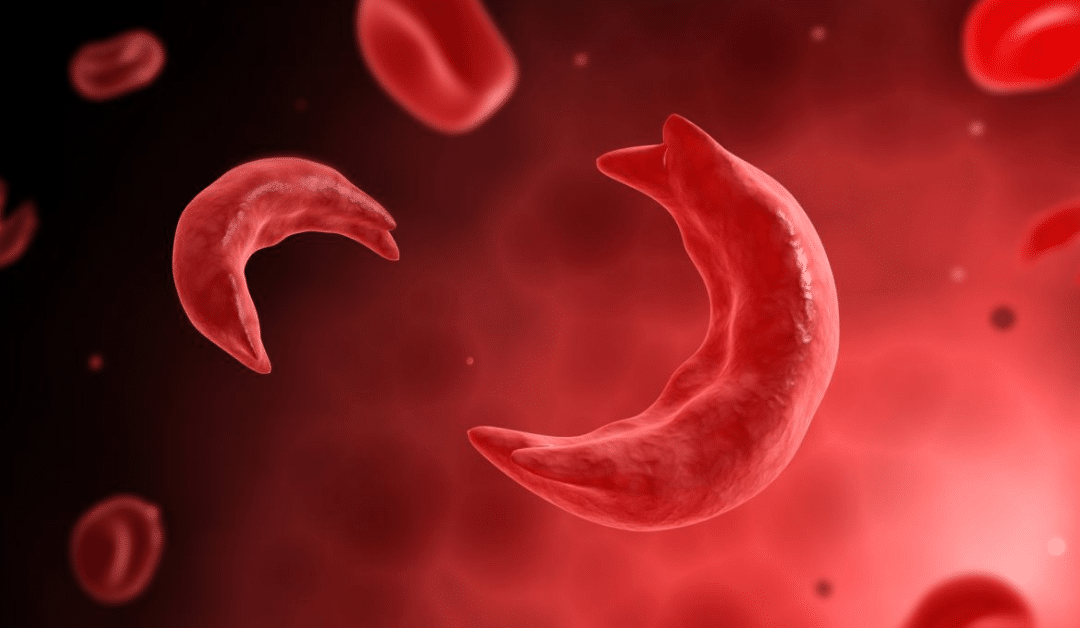
September is National Sickle Cell Awareness Month, making it an important time to increase understanding of sickle cell disease and the health conditions that may be connected with it. Awareness is about more than recognizing a diagnosis. It is also about helping individuals and families understand their health, ask informed questions, and communicate important information to healthcare providers. This month, we want to bring attention to the relationship between sickle cell disease and glucose-6-phosphate dehydrogenase deficiency, commonly called G6PD deficiency (G6PDdf).
These are two separate inherited conditions, but they can occur in the same person. Because both involve red blood cells, understanding how they differ and where their effects may overlap can help patients, families, caregivers, and healthcare professionals make informed decisions. Research into people who have both conditions has produced varying findings about how much G6PD deficiency affects the overall clinical course of sickle cell disease, but knowing a person’s G6PD status remains valuable, particularly when medications or other potential oxidative triggers are being considered.
Understanding the Role of Red Blood Cells
Red blood cells have the essential job of carrying oxygen from the lungs to tissues throughout the body. Healthy red blood cells are flexible enough to travel through even very small blood vessels while delivering oxygen where it is needed.
Both G6PD deficiency and sickle cell disease affect red blood cells, but they do so through different biological mechanisms. Understanding that distinction is an important starting point.
In people with G6PDdf, the body does not have enough normal activity of an enzyme called glucose-6-phosphate dehydrogenase. This enzyme plays an important role in protecting red blood cells from oxidative stress. Without adequate protection, certain exposures can damage red blood cells and cause them to break down prematurely, a process known as hemolysis.
The process is different with sickling disorders. A genetic change affects hemoglobin, the protein within red blood cells responsible for carrying oxygen. Under certain conditions, hemoglobin S can polymerize and change the shape and behavior of red blood cells. These cells can become rigid, contribute to blood vessel blockages, and break down more readily than normal red blood cells.
Two Different Inherited Conditions
One of the most important points to understand is that G6PD deficiency and sickle cell disease are not different names for the same condition. They have different genetic causes, inheritance patterns, and biological effects.
G6PDdf is caused by variants in the G6PD gene, which is located on the X chromosome. The deficiency is inherited and remains part of an individual’s genetic makeup throughout life. Many people with G6PDdf have no obvious symptoms until their red blood cells encounter enough oxidative stress to trigger hemolysis.
Sickling disorders result from genetic variants affecting hemoglobin. Depending on which genes are inherited, a person may have a form of sickling disease or may carry sickle cell trait. The inheritance pattern is therefore different from the X-linked inheritance associated with G6PDdf.
Having one condition does not mean that a person automatically has the other. However, an individual can inherit both. That possibility is one reason education and appropriate testing are important.
Why Can the Two Conditions Occur Together?
Researchers have studied the coexistence of these conditions for decades. Both are found in populations with historical ancestry from malaria-endemic regions, including parts of Africa, the Mediterranean, the Middle East, and Asia. This geographic overlap means some populations may have a meaningful prevalence of both genetic traits.
The fact that both conditions may occur in the same individual does not mean one causes the other. Instead, each is inherited separately.
This distinction matters because someone who already has a diagnosis affecting their red blood cells may understandably assume that every symptom or laboratory change is related to that diagnosis. Knowing whether G6PD deficiency is also present gives patients and healthcare professionals additional information to consider when evaluating medications, illnesses, symptoms, and other exposures.
The Shared Issue of Hemolysis
Hemolysis is an important concept when discussing the connection between the two conditions. It simply means that red blood cells are being destroyed faster than normal.
In G6PD deficiency, oxidative stress can damage red blood cells when their antioxidant defenses are insufficient. Certain medications, fava beans, and infections are among the exposures associated with hemolytic episodes in susceptible individuals. The severity of a reaction can vary depending on the person’s G6PD variant, the trigger, and other health factors.
Hemolysis is also part of the underlying biology of sickle cell disease. Sickled red blood cells have shortened lifespans compared with typical red blood cells, contributing to chronic hemolytic anemia. Because both conditions can involve red blood cell destruction, researchers have investigated whether having G6PDdf changes outcomes for people who also have a sickling disorder.
What Does Research Say About Having Both Conditions?
Research examining people with both conditions has produced mixed results. Some studies have associated G6PD deficiency with lower hemoglobin levels or other differences, while others have found little evidence that it substantially increases hemolysis or worsens overall clinical outcomes.
A review of the available evidence found that G6PDdf appeared to have few, if any, consistent effects on many laboratory values and clinical outcomes among patients with sickle cell disease. Researchers have suggested that the relatively young population of circulating red blood cells in these patients may be one reason the interaction is not as simple as might initially be expected. The review nevertheless emphasized the importance of knowing G6PD status so that medications capable of causing oxidative hemolysis can be considered carefully.
Other research has similarly demonstrated why broad statements about the combined conditions should be avoided. One multicenter study found an association between a particular G6PD variant and lower hemoglobin concentration but did not find increased hemolysis based on several laboratory measurements.
The key takeaway is that having both conditions does not automatically mean a person will experience a predictable increase in complications. Individual health circumstances matter, and clinical decisions should be made with qualified healthcare professionals.
Why Knowing G6PD Status Matters
Even when a person is already receiving ongoing medical care for a blood disorder, knowing whether they also have G6PD deficiency can add valuable information to their medical history.
One particularly important consideration is medication safety. Some medications and substances can create oxidative stress that people with G6PD deficiency may have difficulty tolerating. Healthcare providers who know a patient’s G6PD status can take that information into consideration when evaluating treatment options.
This does not mean that people should independently stop prescribed medications because they have G6PD deficiency or believe they may have it. Medication decisions should be discussed with a healthcare professional who can evaluate the specific drug, dose, circumstances, and patient’s medical history.
Knowing your status also makes it easier to communicate important information when seeing a new physician, visiting an emergency department, undergoing a procedure, or receiving treatment for an infection.
Recognizing Signs of Hemolysis
People living with G6PD deficiency and their families should understand the potential signs of a hemolytic episode. Symptoms are not necessarily specific to G6PD deficiency, which means medical evaluation may be necessary to determine what is happening.
Possible signs can include:
- Yellowing of the skin or eyes, known as jaundice
- Darker-than-usual urine
- Fatigue or weakness
- Rapid heart rate
- Shortness of breath
- Pale skin
- Dizziness or lightheadedness
- Abdominal or back discomfort
The G6PD Deficiency Foundation emphasizes awareness of the signs of hemolytic anemia because early recognition can help individuals know when to seek medical attention. Symptoms and their severity can vary, so someone experiencing concerning or rapidly developing symptoms should seek appropriate medical care rather than attempting to determine the cause on their own.
The Importance of Medication Awareness
Medication awareness deserves special attention for people who have both G6PD deficiency and sickle cell disease.
The G6PD enzyme helps red blood cells maintain defenses against oxidative damage. When enzyme activity is deficient, certain medications can create oxidative stress that increases the risk of red blood cell damage in susceptible individuals. This makes accurate health information especially valuable when healthcare providers are choosing medications.
Patients can help by making G6PD status part of their routine medical history. Tell physicians, pharmacists, dentists, and other healthcare professionals about the deficiency when receiving care. Before starting a new prescription, over-the-counter medication, supplement, or treatment, ask whether it is appropriate given your individual medical history.
It is also important to use reliable, current information. Medication guidance can evolve, and risk may depend on the particular drug and clinical circumstances. A healthcare professional familiar with the patient’s complete medical history is the appropriate person to provide individualized guidance.

Infections Can Also Be Important
Medications and foods often receive the most attention when people first learn about G6PD deficiency, but infections can also create oxidative stress and precipitate hemolysis.
That makes illness another situation in which awareness is useful. Someone who develops unexpected symptoms during an infection should make sure their healthcare team knows about their G6PD deficiency.
For someone already managing another red blood cell condition, communication becomes even more important. Symptoms such as fatigue, jaundice, dark urine, or shortness of breath may have more than one possible explanation. Rather than assuming the cause, patients should share their complete medical history so their healthcare team can evaluate the situation appropriately.
Testing Provides Information You Cannot Get From Symptoms Alone
Many people with G6PD deficiency may have few or no noticeable symptoms during everyday life. The Foundation notes that most individuals with the deficiency experience no apparent harm unless certain circumstances trigger a hemolytic episode.
That means simply feeling healthy cannot determine whether someone has the deficiency.
Testing is the way to assess G6PD enzyme activity. Depending on the situation, healthcare professionals may use enzyme testing and, in some circumstances, molecular testing to better understand a person’s status.
For people and families already navigating sickle cell disease, discussing G6PD testing with a healthcare provider can help clarify whether another inherited red blood cell condition is part of the individual’s health picture.
Why Family Health History Matters
Both conditions are inherited, making family health history an important part of the conversation.
Families may know that a relative has anemia, experienced jaundice as a newborn, reacted badly to a medication, or was told to avoid certain foods without knowing the exact diagnosis. Sharing these details with healthcare professionals can provide useful context.
Family conversations can also encourage relatives who may never have considered G6PD deficiency to learn more about it. Because some people experience few noticeable effects, a diagnosis in one family member may raise questions that other relatives want to discuss with their own healthcare providers.
Genetic conditions are not something a person chooses or causes. The goal of learning family history is simply to provide people with more information that can help them make informed healthcare decisions.
Awareness Helps Patients Advocate for Their Health
National Sickle Cell Awareness Month is an opportunity to recognize people and families living with sickle cell disease while also encouraging broader education about red blood cell health.
For individuals who also have G6PD deficiency, awareness can mean knowing what information to share with healthcare professionals, understanding potential triggers, recognizing concerning symptoms, and asking appropriate questions about medications and treatment.
For healthcare professionals, it can mean remembering that multiple inherited red blood cell conditions can coexist and considering G6PD status when it is clinically relevant.
For families and communities, awareness can be as simple as sharing trustworthy information and encouraging conversations about screening and testing.
Continuing the Conversation Beyond September
Awareness months help bring important health topics into the spotlight, but education should continue throughout the year.
Understanding the connection between G6PD deficiency and sickle cell disease is a good example of why health education matters. The two conditions are distinct. They can coexist. Research does not support assuming that G6PD deficiency will affect every patient with a sickling disorder in exactly the same way. However, knowing G6PD status can still provide valuable information, especially when healthcare professionals are evaluating medications and other potential oxidative exposures.
The G6PD Deficiency Foundation works to provide education, increase awareness, support screening efforts, and help people affected by G6PD deficiency better understand this inherited enzyme condition. The Foundation’s mission includes educating both the public and medical community and encouraging greater awareness and screening.
This September, National Sickle Cell Awareness Month gives all of us another reason to learn, ask questions, and share accurate information. Greater awareness can help individuals better understand their health and give families the knowledge they need to advocate for themselves and the people they love.
If you have questions about G6PD deficiency or want educational resources, we would love to hear from you!
Stay up to date with the G6PD Deficiency Foundation by following us on Instagram and Facebook.
–
Blog Sources
- Richardson, S. R., et al. “Glucose-6-Phosphate Dehydrogenase Deficiency and Sickle Cell Disease: A Review.” American Journal of Hematology, 2018. PubMed PMID: 30239377.
- Nouraie, M., et al. “The Association of G6PD Deficiency With Hemolysis in Patients With Sickle Cell Anemia.” Journal of Pediatric Hematology/Oncology, 2010.
- G6PD Deficiency Foundation. “G6PD Deficiency.” G6PDDF.org.
- G6PD Deficiency Foundation. “Did I Inherit G6PD Deficiency?” G6PDDF.org.
Recent Comments